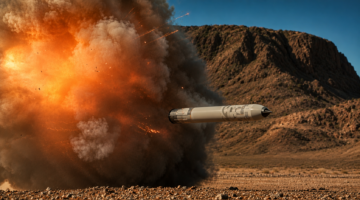
Weaponizing the supply chain for a liquid-fueled howitzer-fired munition that flies 150 km
The goal of such weaponization is to tie warfighter needs to the RDT&E cycle.

The goal of such weaponization is to tie warfighter needs to the RDT&E cycle.
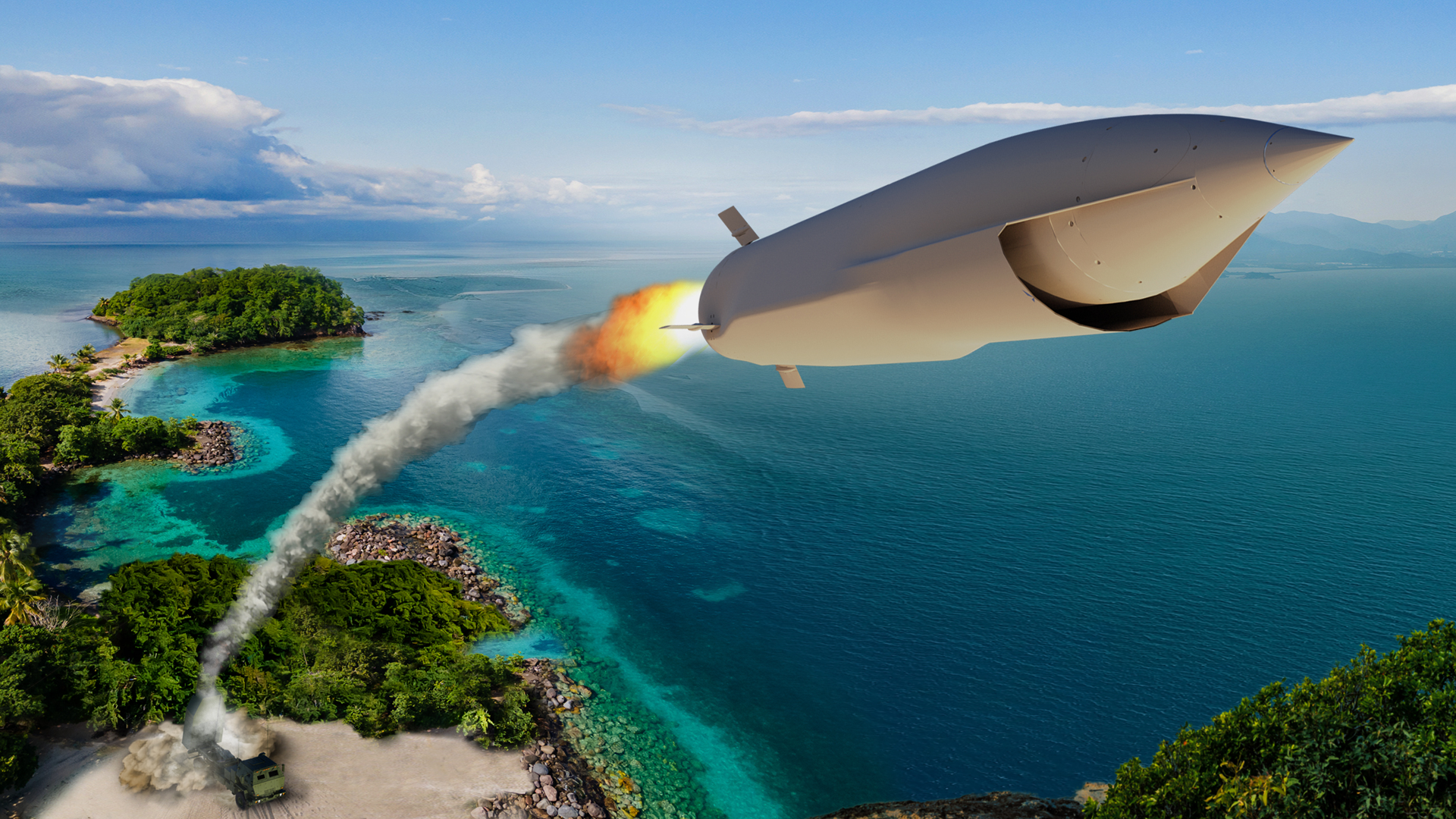
Anduril, Castelion, Lockheed Martin, RTX and Mach Industries were awarded Other Transaction Agreements for an undisclosed amount.


Manufacturing scale, global sustainment, and next-gen tech are becoming inseparable.
The announcement did not include information about the scale or timeline for the production ramp up, nor the dollar amount associated with the agreement.
Operation Epic Fury has "resulted in strategic inventory shortfalls" of key munitions, Pentagon officials told investigators.
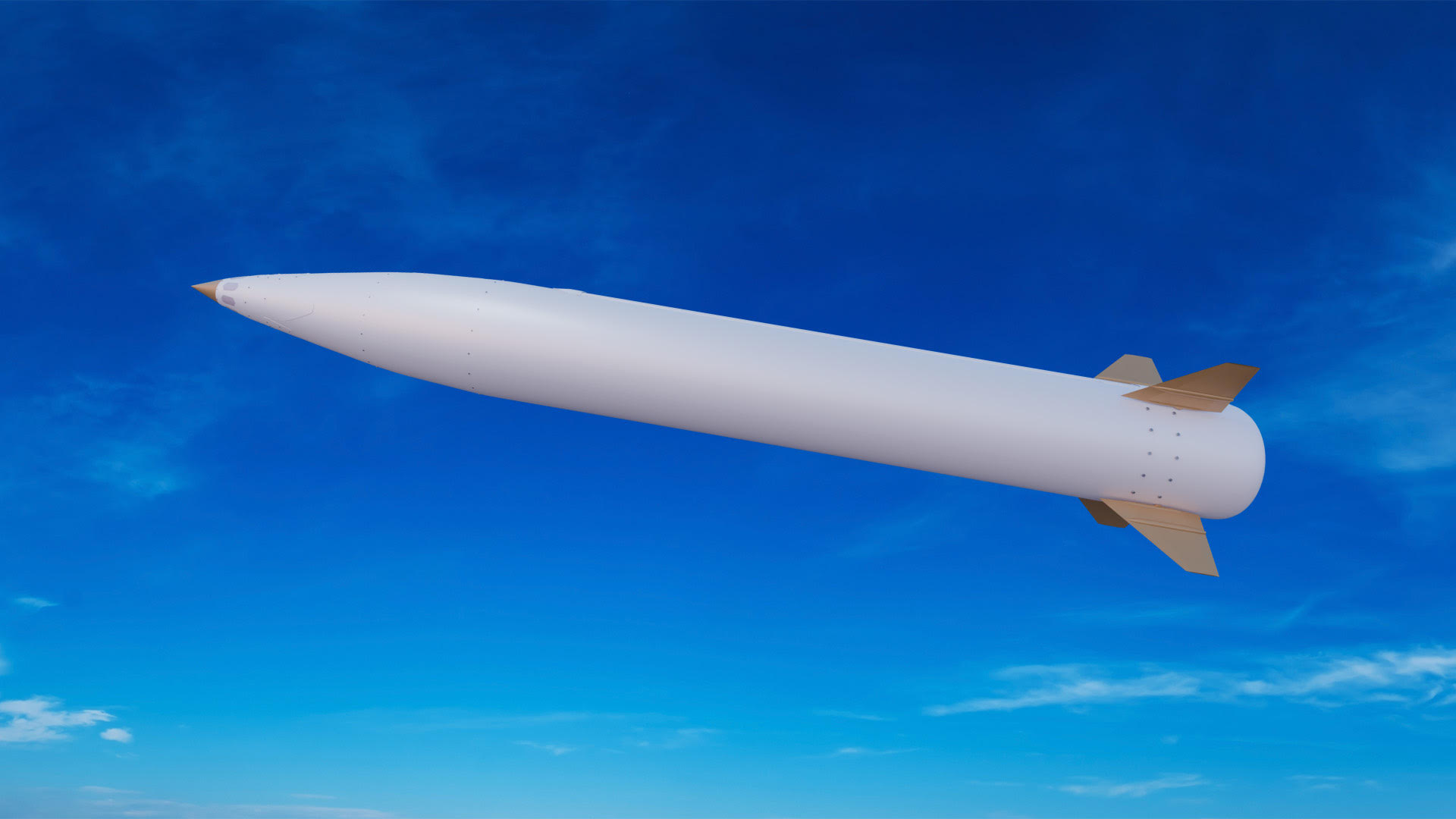
Monday’s announcement comes after Lockheed successfully launched its first PrSM Increment 2 missile in February.

The Hudson Institute's Daniel Kochis argues in this op-ed that Russia must remain convinced that America’s presence, combined with European NATO members’ firepower, is enough not to risk a direct confrontation.

Explore how software, edge AI and resilient connectivity can strengthen military logistics in contested environments. Join Breaking Defense on Oct. 21 and earn 1 CPE credit.

In exclusive comments to Breaking Defense, the Pentagon's comptroller acknowledged that some efforts may need to be pushed from FY27 into FY28 with help from lawmakers.
From the Iran supplemental to the debate over a third reconciliation bill, Congress will have its hands full with a long list of defense funding needs when it returns from recess in September.

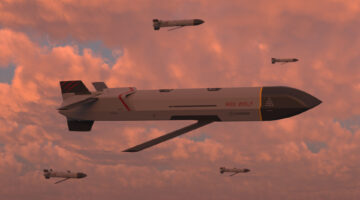
L3Harris’ launched effects portfolio comes from a pedigree of proven capabilities and decades of experience.
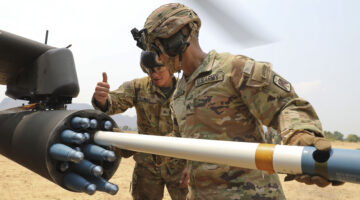
The four companies, which will specifically supply the M151 warheads for the rockets, are Firehawk, iRocket, Nammo Perry and Albers.

AI is reshaping the Army’s approach to cyber, electronic warfare and command and control. At TechNet Augusta 2026, leaders outlined how they’re turning emerging technology into capabilities for the battlefield.
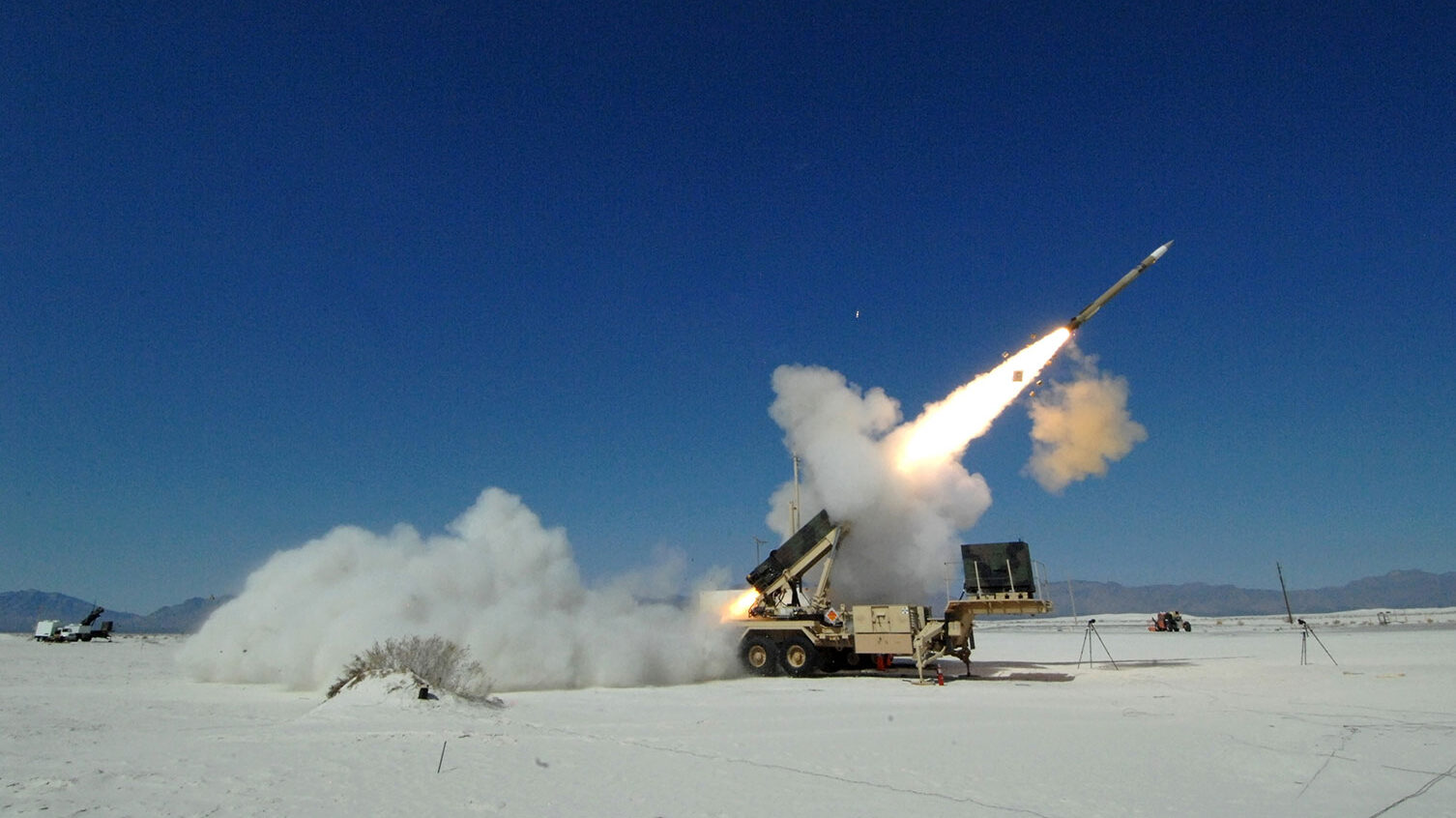
The deal will allow Northrop to stand up production as a second supplier of solid rocket motors for the PAC-3 interceptor.

The contract is undefinitized, meaning dollar values and quantities could change as negotiations continue.
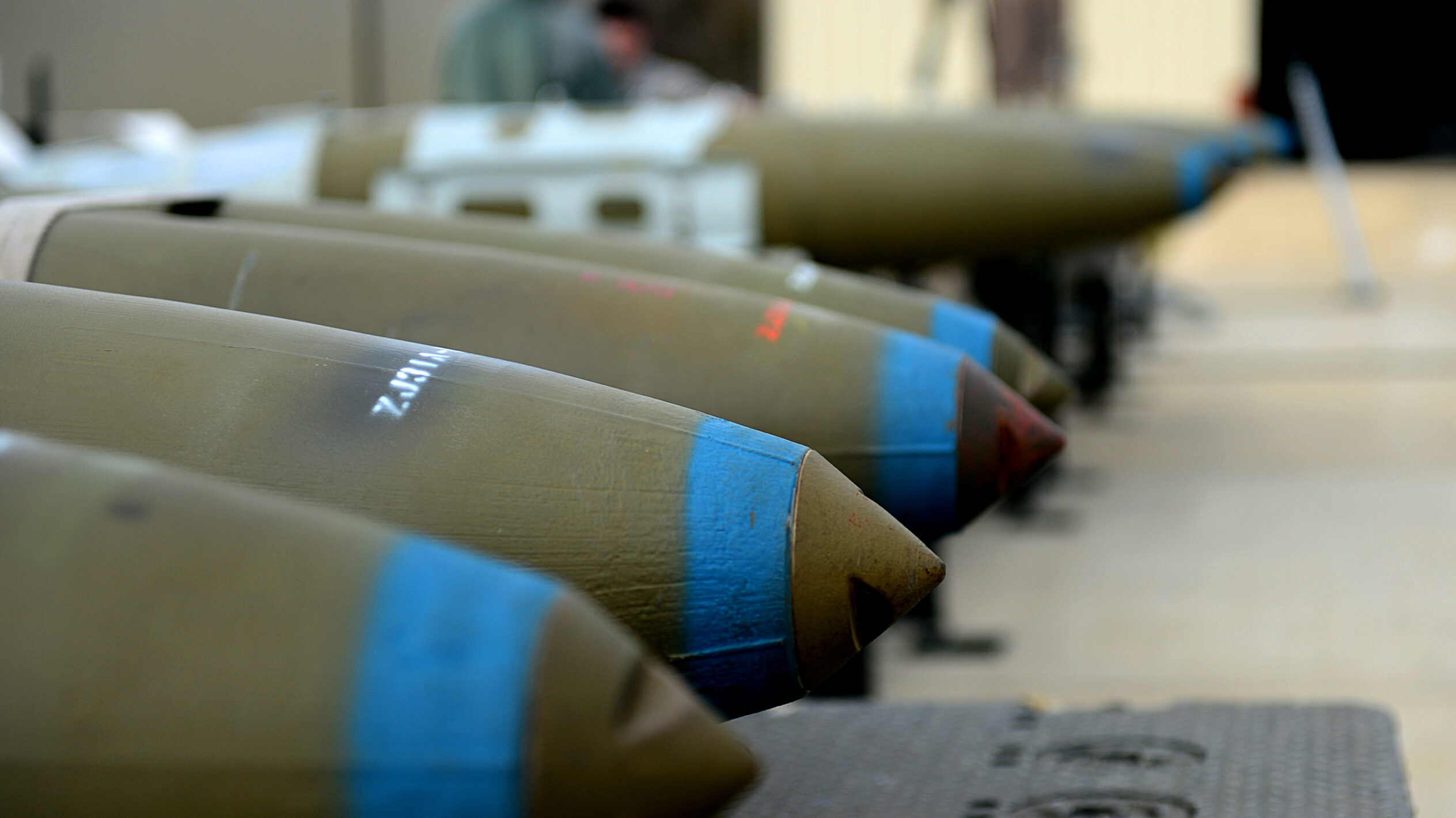
Considering only the price tag of a munition and its energetic filling may lead the US military to seriously undervalue improved energetics, argues CSBA's Tyler Hacker.

Invitees to the closely held, publicly unannounced meeting included Anduril, Castelion and Leidos, sources said.